For tube and pipe fabrication shops
EasyTube: an open dual-chuck tube laser, reviewed around your real profiles.
EasyTube is a straightforward way to bring laser tube cutting into the shop. Kilroy uses the machine as a starting point for a better conversation: what you cut, how your operators load material, what power range fits, and whether this platform is actually right for your workflow.
| Machine | EasyTube Laser Cutting Machine |
|---|---|
| Chuck configuration | Dual chucks |
| Tube range | 10-120 mm (0.39-4.72 in) cutting pipe diameter |
| Working details | 6100 mm (240 in) length; 1500W-3000W power; chuck rotation 65 r/min; tail material length >65 mm (>2.56 in) |
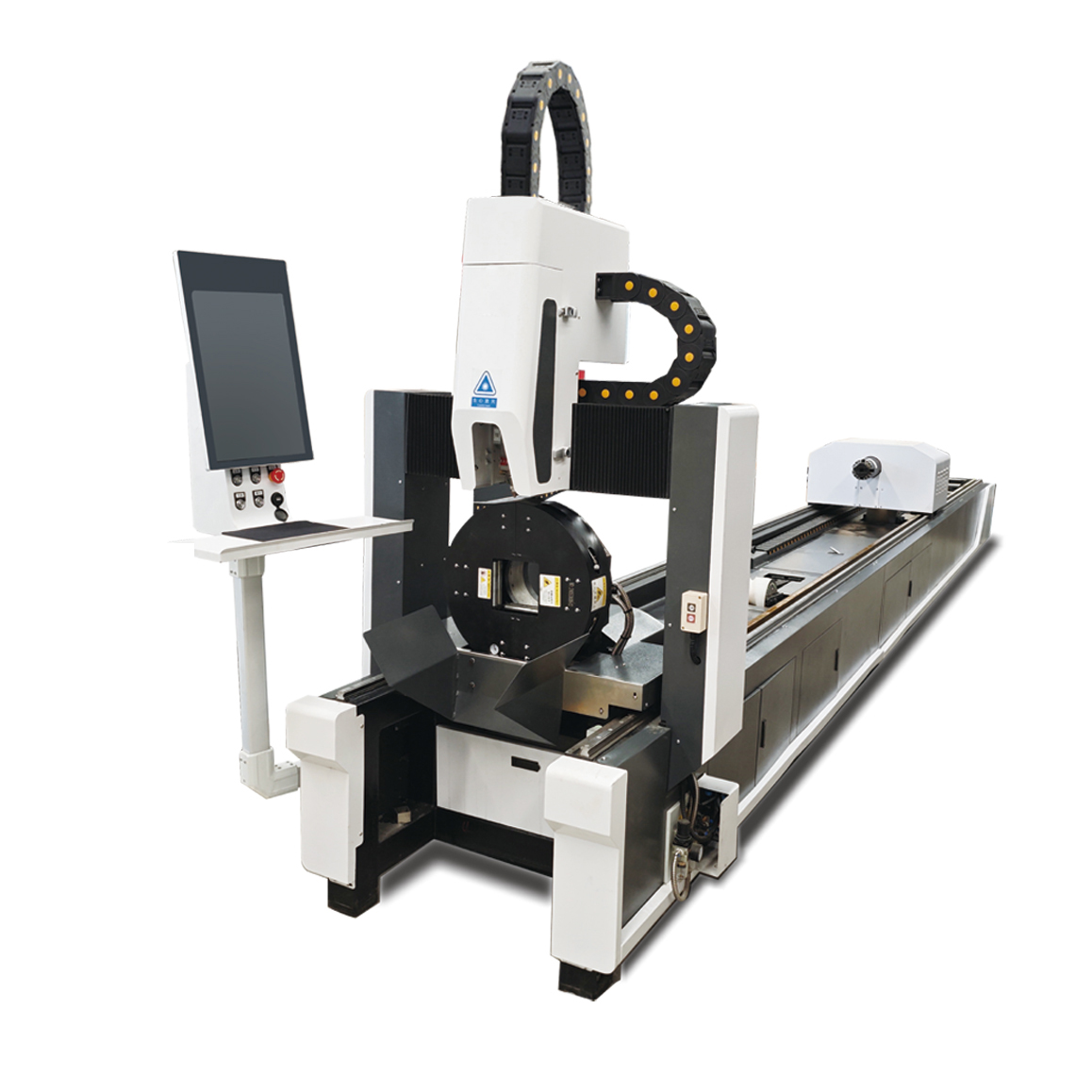
An accessible open layout for shops that want to move from discussion to real profile review, sample cutting, and practical production planning.
The Kilroy way to evaluate a tube laser
Not every shop needs the same tube system. That is the point.
A tube laser page should help a buyer understand the workflow before they contact us. Kilroy focuses on the work: profile mix, diameter, wall thickness, part length, operator rhythm, loading method, floor space, utilities, and the support plan after installation.
Profile fit first
Start with the pipe, tube, frames, rails, and repeat parts you quote most often. The machine conversation should follow the material mix.
Stable chuck handling
Review dual-chuck support, 65 r/min rotation, cut quality, repeatability, and job-to-job consistency in practical terms.
Support that stays
The machine matters, but so do training, service access, consumables planning, troubleshooting, and long-term communication.
Use the machine image as a starting point. The real decision comes from your profiles, operators, space, and the support route that fits your business.
Performance signals worth discussing
Enough detail to understand the machine, not so much that the conversation becomes a spec sheet.
EasyTube can be reviewed around dual-chuck control, pipe diameter range, cutting length, tail material handling, rotation speed, and the practical requirements of your shop. Exact configuration decisions should come after we understand the material and production goal.
USA support path
Review the machine, sample your profiles, then decide whether the fit is right.
Bring sample material, drawings, production questions, and timeline concerns. We can review EasyTube as a solution, not just a machine, and help plan utilities, installation, training, and a supported production start.
See the layout
Look at chuck access, loading method, operator position, and maintenance details that photos do not fully explain.
Cut a sample
Use your material and drawing when possible. Edge quality and fit are easier to judge after a real cut.
Plan the long term
Installation, training, service, consumables, and troubleshooting should be discussed before the equipment arrives.
Walkthrough and review
Watch the EasyTube T6012, then bring your own work into the conversation.
The video gives a faster feel for the open machine layout, dual-chuck handling, operator position, and tube workflow. Use it as a first pass, then verify the real fit through sample material and application review.
- Review the chuck movement and loading workflow before scheduling a deeper conversation.
- Bring questions about material, diameter, wall thickness, part quality, and floor space.
- Use sample cutting to confirm fit instead of relying only on brochure numbers.
Quote readiness
When the fit looks right, we can turn the conversation into a real plan.
The right next step is not always a fast quote. Sometimes it is a sample cut, a facility visit, a utility review, or a discussion about whether another machine is more appropriate. Kilroy is here to help you find the better tube processing path.